June 8, 2026
This article aims to guide homeowners through the essential seasonal maintenance tasks required for keeping their swimming pools crystal clear and in peak condition. As the seasons change, so do the needs of your pool, and proper maintenance can help avoid costly repairs and ensure a long-lasting pool experience. A swimming pool is a valuable asset that provides joy and relaxation, and maintaining it is essential to maximizing its benefits. Regular maintenance can seem like a daunting task, but with a systematic approach, it becomes manageable and even second nature. This article outlines a comprehensive guide to pool maintenance tailored to each season’s unique demands. If the process ever feels overwhelming, partnering with a dependable local pool company can ensure your oasis stays perfect year-round without the stress.
Spring Pool Opening Tips
As temperatures rise and signs of spring emerge, it’s time to uncover your pool for another season of enjoyment. Removing the pool cover is the first step, and it should be done with care to avoid damage or a hasty start to the season before it even begins. Begin by clearing off any debris, standing water, or leaves that may have accumulated on the cover over the winter months. The cover should then be gently removed and cleaned before being stored away in a cool, dry place to prevent mildew and damage. Proper removal and storage help extend the life of the cover and make fall closing easier.
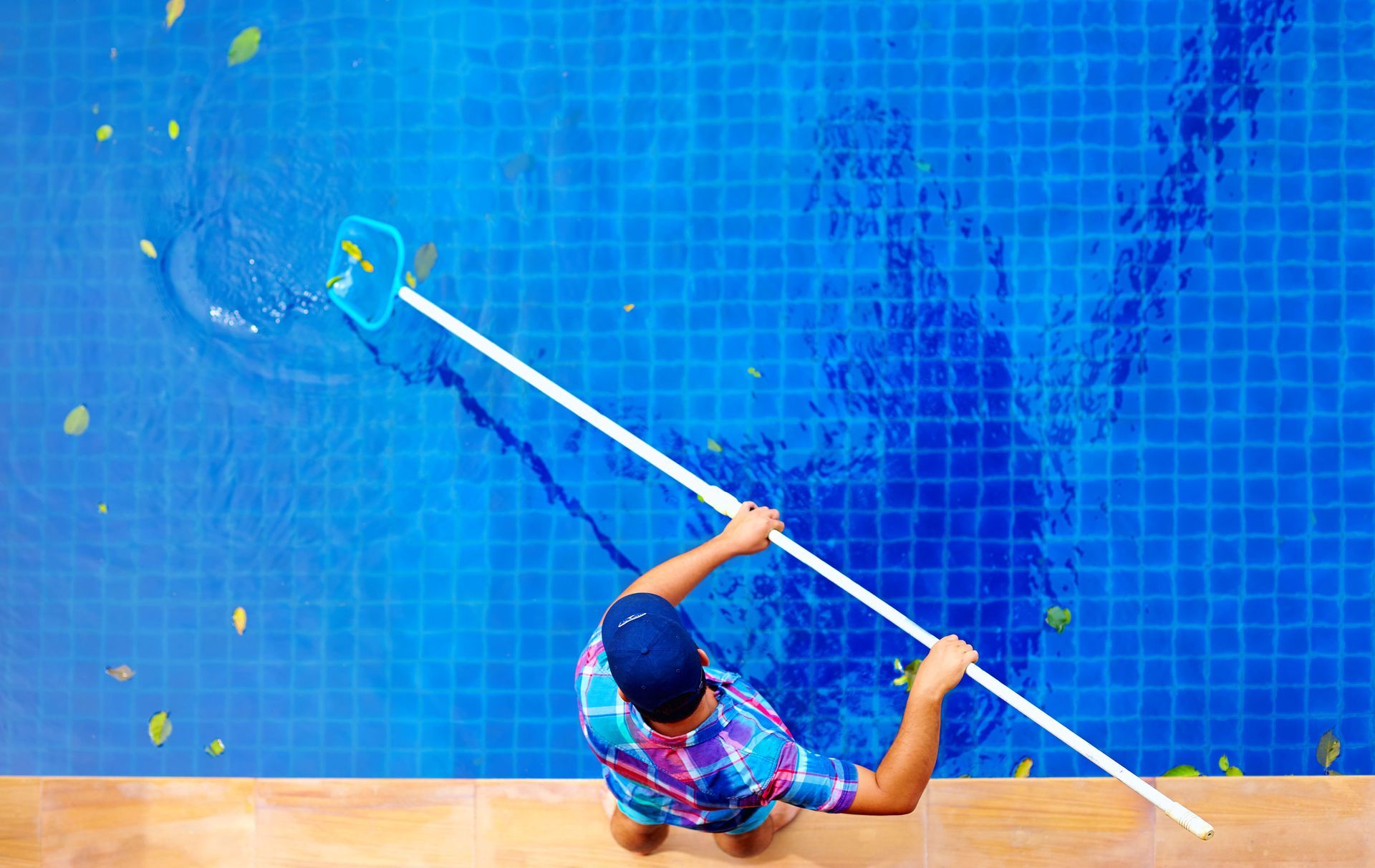
The next task is thoroughly cleaning your pool and the surrounding area. After months of inactivity, dirt, leaves, and debris will likely have built up and must be removed before use. Skim the surface of the water and vacuum any debris settled at the bottom of the pool. Brush the walls and floor to remove algae or buildup, ensuring a spotless finish. A clean surrounding area also enhances enjoyment and reduces pest issues.
Once the pool is clean, inspect all equipment, including pumps, filters, heaters, and other systems. Look for leaks, clogs, or worn components that may have developed during colder months. Early detection of issues prevents expensive breakdowns later in the season. If you lack proper tools or experience, a local pool company can provide a professional inspection.
Water chemistry must be balanced before swimming begins. Test chlorine, pH, alkalinity, and calcium hardness using a reliable test kit. Adjust chemicals as needed to create safe, stable water conditions. Balanced chemistry protects swimmers and prevents damage to equipment. Finally, restart the pool systems by turning on the pump and filtration equipment. Check for unusual noises or performance issues during operation. Regular backwashing and basket cleaning help maintain efficiency. Once systems are running properly, the pool is ready for safe enjoyment.
Summer Maintenance Tasks
During summer, pools experience heavy use and require consistent care. Skimming debris daily and vacuuming regularly help maintain clean water and prevent filter strain. Even short daily routines significantly improve water clarity and hygiene. Establishing a consistent schedule prevents maintenance from becoming overwhelming. Water levels must be monitored closely due to evaporation and frequent use. Maintaining the proper waterline ensures efficient filtration and pump performance. Low water levels can damage equipment and reduce circulation efficiency. Regular topping off helps maintain system balance.
Algae prevention is also critical in warm weather. Proper sanitizer levels and brushing surfaces reduce buildup risks. Preventive treatments help maintain clear water throughout the season. According to findings published by Ruby Home, approximately 36% of children and 15% of adults use a swimming pool at least six times a year, highlighting the importance of maintaining clean and safe water conditions.
Autumn Preparation for Pool Closing
As temperatures drop, preparing the pool for winter becomes essential. A deep cleaning removes debris and prevents staining or buildup during closure. Walls, floors, and surfaces should be thoroughly brushed and vacuumed. This is also a good time to identify any structural issues. Water chemistry must be balanced before closing the pool. pH, alkalinity, and calcium hardness should be adjusted carefully. Winterizing chemicals help prevent algae growth and water contamination. A local pool company can provide specialized winter kits suited for regional climates.
Lowering the water level helps prevent freeze damage. The water should sit several inches below the skimmer to allow for ice expansion. This protects plumbing and structural components. Proper drainage ensures long-term system protection. A durable pool cover must be installed securely. It should fit tightly to prevent debris entry and withstand winter conditions. A properly installed cover reduces maintenance needs in spring. It also protects water quality throughout the off-season. All accessories and equipment should be cleaned and stored. Ladders, pumps, and hoses must be removed and protected from freezing temperatures. Proper storage extends equipment lifespan. Organized storage also simplifies reopening in spring.
Winter Pool Care
Even when closed, pools require periodic attention. Covers should be inspected regularly for tears or sagging. Early repairs prevent debris buildup and structural stress. A secure cover maintains overall protection. Snow and ice accumulation must be removed carefully. Excess weight can damage the cover or pool structure. Using soft tools prevents tearing or punctures. Regular clearing reduces long-term strain.
Water levels should still be monitored during winter. Rain or melting snow can alter levels unexpectedly. Maintaining proper levels prevents freeze-related damage. Consistent checks protect plumbing systems. Occasional inspections help detect hidden leaks or structural issues. Cold weather shifts can affect underground components. Early detection prevents expensive repairs. A local pool company can assist with diagnosing hidden issues. Filtration practices vary depending on climate and preference. Some owners run systems occasionally, while others rely on winterization alone. Professional guidance can help determine the best approach. Each pool requires a tailored maintenance plan.
Year-Round Pool Equipment Maintenance
Pump and filter systems require regular upkeep to ensure efficiency. Debris should be removed from baskets frequently. Clean filters maintain proper circulation and water quality. Routine maintenance extends equipment lifespan. Heaters and lighting systems should be inspected regularly. Temperature fluctuations or unusual noises may indicate issues. Electrical components must remain safe and functional. Preventive checks reduce repair costs.
Plumbing systems must also be monitored for leaks or pressure changes. Early detection prevents major water loss or damage. Consistent inspection ensures system stability. Timely repairs protect overall functionality. Pool decks require ongoing maintenance for safety and appearance. Cracks and debris should be addressed quickly. Proper cleaning prevents slipping hazards. Well-maintained decks enhance the entire pool area. Professional inspections are recommended annually. Experts can identify hidden issues and ensure optimal performance. Combining DIY care with professional oversight improves long-term results. A trusted local pool company can provide reliable annual evaluations.
Sustainable Pool Care Practices
Energy-efficient equipment reduces long-term operating costs. Pumps, heaters, and lighting systems designed for efficiency help conserve energy. Solar-powered systems further reduce utility usage. Sustainable upgrades benefit both cost and the environment. Water conservation is essential in pool maintenance. Covers reduce evaporation and limit water loss. Fixing leaks prevents unnecessary waste. Responsible usage supports long-term sustainability.
Eco-friendly chemicals minimize environmental impact. Natural alternatives and salt systems reduce harsh chemical use. These options improve water safety and ecosystem health. Sustainable choices benefit both swimmers and the surroundings. Landscaping with native plants enhances pool environments naturally. These plants require less water and maintenance. They also support local ecosystems and reduce heat around the pool. Thoughtful landscaping improves both function and beauty.
For long-term care, homeowners should consider professional support to maintain efficiency and sustainability. Partnering with an experienced local pool company ensures your pool remains clean, safe, and environmentally responsible throughout every season. To ensure your swimming pool remains a clean, safe, and inviting backyard retreat all year long, contact Kenwood Pools today to schedule a professional maintenance consultation and let our experienced team handle the upkeep so you can simply enjoy your pool without the stress.